Quinchía, Risaralda
Village of Peaks
In Risaralda's northwest , where indigenous history, colonization, gold, and coffee intertwine, a unique place for specialty coffee is born: Quinchía

PRE-HISPANIC ORIGINS
Guacuma: Land of Gold and Salt
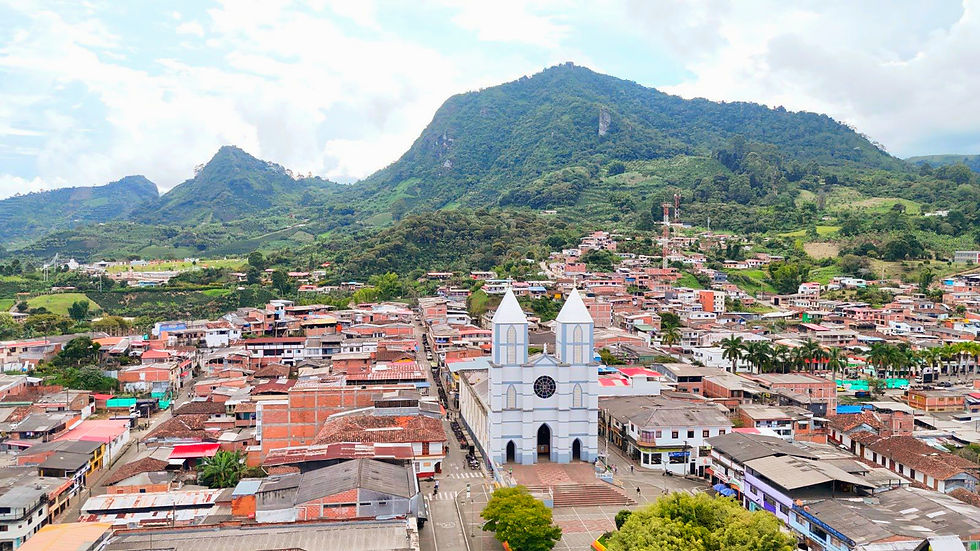
Quinchía, in Risaralda's northwest, is much more than a point on the map of the Coffee Region: it is a territory where indigenous history, colonization, gold and coffee intertwine to give rise to a unique place for specialty coffee.
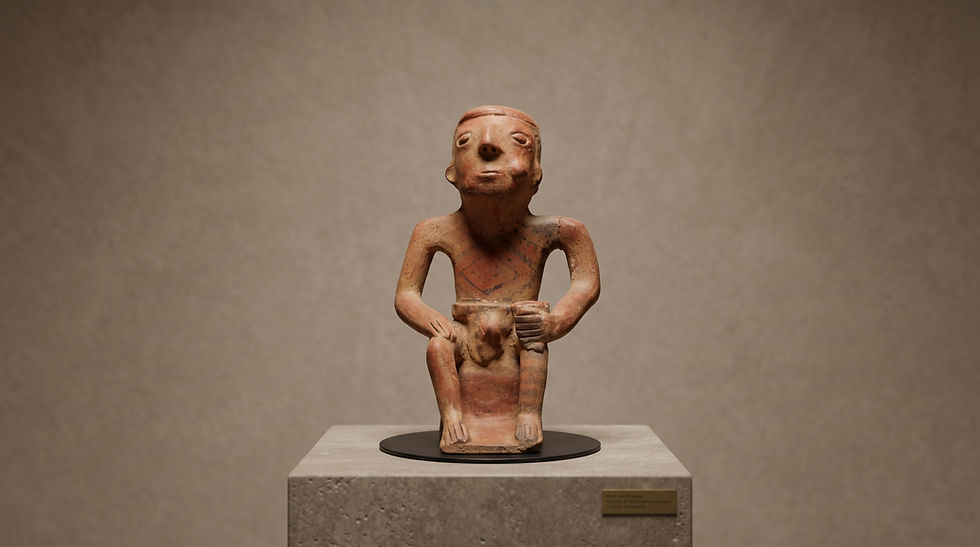
Since pre-Hispanic times, this corner of the Western Mountain Range was known as Guacuma, inhabited by peoples such as the Tapascos, Irras and Guaqueramaes, experts in terrace agriculture and in the exploitation of gold and salt.
Its territory was full of roads and "tiánguez", markets where minerals and food were exchanged; centuries before "traceability" was discussed, there were already routes and exchange networks that resonate today in the coffee value chains.


THE COLONIAL PERIOD AND INDEPENDENCE
The Quinchos: Guadua Defenses
With the arrival of the Spanish, the region took the name of Quinchía, associated with the bamboo defenses —the "quinchos"— that protected the ancient indigenous villages.
During the colonialization and independence periods, Quinchía was a vital passage between valleys and mountain ranges. Armies, merchants, and missionaries traveled its roads; the village of Nuestra Señora de la Candelaria de Quinchía grew around the religious missions there, eventually moving to a new location and giving rise to the present-day town.


19th CENTURY
Coffee's Arrival
As the Antioquian colonization advanced through Old Caldas, peasants from the north brought with them seeds of coffee, corn and beans.
On these humid, fertile slopes, coffee went from being a nearly domestic crop to becoming the economic backbone of the region. Former indigenous groups defended the land of invaders, and on these same plots, small family coffee farms were established: the perfect model for differentiated, single-origin coffees.
GEOGRAPHY
Village of Peaks
1,825
METERS ABOVE SEE LEVEL
18°C
GUARDIAN PEAKS
4
+3
MICROCLIMATES
The town is surrounded by guardian mountains such as Batero, Gobia, Cantamos, and Opiramá. This altitudinal diversity creates a mosaic of microclimates ideal for cultivating high-quality Arabica varieties with slow ripening and complex cup profiles.
WORLD HERITAGE SITE
Coffee Cultural Landscape
Quinchía is part of the Coffee Cultural Landscape, declared a World Heritage Site by UNESCO. Small family farms predominate here, many of them less than three hectares, where the coffee is hand-picked, cherry by cherry, and processed with careful methods geared towards the specialty coffee market.
In Risaralda, sweet cup profiles have been consolidated, with balanced acidity and notes of panela and chocolate, attributes highly appreciated in markets such as the United States, Europe and Japan.
NOTES OF PANELA
CHOCOLATE
BALANCED ACIDITY
SWEET PROFILES

STRATEGIC LOCATION
A Bridge Between Tradition and Global Markets
The municipality is located on the Western Mountain Range but equidistant from key cities such as Medellín, Manizales, Pereira, Cali and Bogotá, which facilitates the connection between mountain farms, processing centers and export ports.
From the highlands, where coffee is grown at over 1,800 meters above sea level, the land descends to the Cauca River valley, a historic corridor for trade and transportation. This duality—hills reaching for the sky and valleys connecting to the world—transforms each plot of coffee into a bridge between local tradition and global markets.
LIVING CULTURAL HERITAGE
Lands of Xixaraca
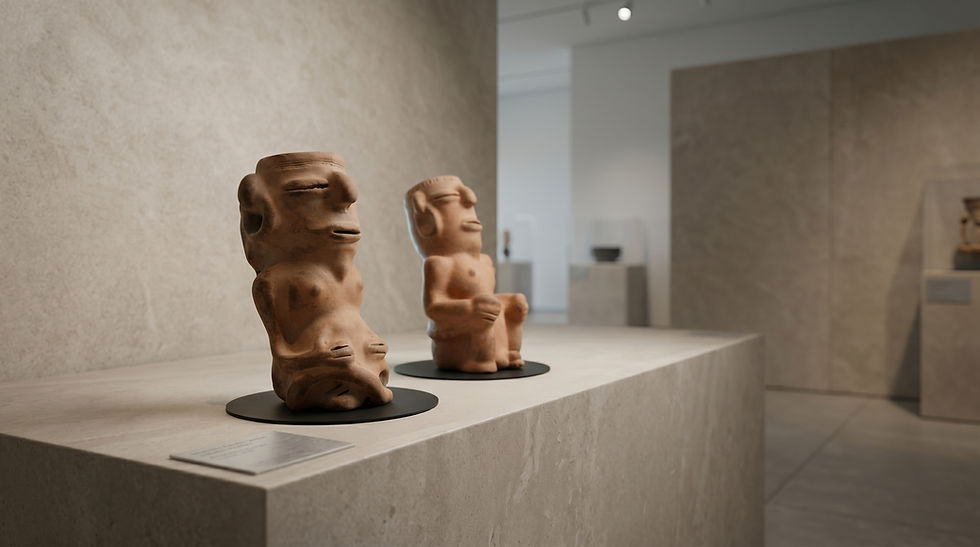
In Quinchía, the memory of its indigenous heritage is kept alive in spaces like the archaeological museum "Tierras de Xixaraca", conceived as a tribute to those roots and the history built around coffee.
New generations of coffee farmers are experimenting with insect-resistant varieties and differentiated processes to add value to the bean. Community, family labor, harvest celebrations, and a close connection to the mountains are reflected in every cup: it's not just coffee, it's a story of resilience and community pride.